It's time, to make time.
A machine can help. Somebody’s hands still have to decide.
“What does it mean to design for the future?” I don’t think we can see tomorrow’s problems from here. Pretending we can is naive. The useful bit is owning that, then asking anyway, and having a think about the future we actually want.
Today we plant ours.
The A–Z of D.I.Y.
“What does it mean to design for the future?”
I don’t think we can see tomorrow’s problems from here. Pretending we can is naive. The useful bit is owning that, then asking anyway, and having a think about the future we actually want.
I want people to picture it, and to vote for it. Not only at a ballot box. With their hands. If we don’t do anything, we go along with whatever shows up. Doing is how we learn. Doing is how a thing gets built, or put back together.
We’re talking in a loud, messy time. One person’s work can feel like nothing. I still think we should try. The least it can do is leave the next lot with a picture of what might be possible. A lot of what we treat as normal now, like the vote, feminism and the refusal of racism, started as a seed somebody else put in the ground.
Today we plant ours.
Preamble
A machine can draw a thousand chairs while you’re still looking for the pencil. A hand has to learn the slower thing: how a chair gets used, where it starts to give, what a year of sitting does to it.
Speed helps. It isn’t care.
We live with objects that turn up fast and leave faster. A button goes. A screen stays black. A plastic hinge snaps, a small sound for a problem that somehow fills the afternoon, and the answer is already sitting on a shop page. Replace it.
Each replacement is a little practice in forgetting. How to mend. How to try. How to ask the person next door.
D.I.Y. isn’t nostalgia. Craft isn’t a cupboard of tools nobody is allowed to touch. Both are ways ordinary people keep some say in the things they live with.
This matters more now, because the machines are getting capable. Software can write, draw, measure, plan, and hand you a suggestion before you’ve finished the thought. That help is going to be in homes, schools, and jobs. Take it. I still want craft and D.I.Y. to keep their place in that world.
A machine can help. Somebody’s hands still have to decide.
We need rooms where people can touch materials, get it wrong, and see how things are actually joined. We need know-how that can travel, and then sit on a workbench as something you can follow with your hands. Applied. Not a lecture you agree with and forget.
This is for the everyday person. Designers can come. People who already call themselves makers can come. The Fourth Wave of D.I.Y. falls over if it’s only them.
Make or Break
We live inside systems we didn’t build. We inherited them. A bit like a house with a leak you can hear and can’t yet find. You see the stain. The cause is somewhere behind the wall. If you want to fix it, you follow the wet patch and see where it goes.
The first leak is simple. Replacing is often cheaper than repairing. A new dryer can cost less than the afternoon you’d lose hunting the fault. In Singapore, time is the expensive part. Doing it yourself can cost more in parts, and in grief, than calling someone in. The price teaches us to throw the thing out before our hands have had a turn.
The second leak runs into the bin. Every replacement carries metal, oil, water, a box, a journey, somebody’s labour. The broken object doesn’t stop existing because it left the flat, no matter how tidy the waste system looks from the corridor. It goes somewhere. Someone sorts it. Someone burns it. Someone lives beside wherever it ends up.
The third leak is the city. A city can hold millions of objects and very few places willing to fix them. When there’s no repair nearby, and a supply line stops, or a part simply vanishes from the catalogue, you find out that knowing how to buy is not the same as knowing how the thing works.
Skill gets shared badly, too. Some people get studios, titles, applause. Others have been repairing shoes, clothes, furniture, and whole family homes for decades, and nobody calls them makers. The work disappears because it was expected, or unpaid, or done a long way from a gallery with good lighting.
Credit follows the same path. One person turns an old method into a product people want this season. Another person, whose family carried that method for generations, gets left out of the story. Quietly. As if the method arrived on its own.
These aren’t separate gaps. Together they train you to freeze in front of objects you use every day. The interest is there. What jams people is usually time, tools, and confidence.
The Fourth Wave of D.I.Y.
D.I.Y. has already moved through a few waves.
The first wave was survival. People grew food, put up shelter, sewed clothes, and repaired tools because they had to. Making was how you stayed alive.
The second wave came in a box. Kits, hardware shops, home projects, flat-pack furniture. D.I.Y. became something you could buy and finish. The instructions arrived with the parts.
The third wave went through the internet. Forums, blogs, videos. A repair worked out in one bedroom could be watched somewhere else that same afternoon.
Now the Fourth Wave. Local hands, and networks that reach much further than the room.
The work is still physical. A school. A repair café. A neighbourhood workshop. What can leave the room is the knowledge: a pattern, a plan, a measurement, a file. That can cross an ocean before you’ve packed up the tools.
Digital kit comes into ordinary workshops with it. A laser cutter can cut a replacement panel. A small computer can run a light. A 3D printer can make the clip a company has stopped selling.
The point isn’t a pile of plastic toys. The point is a useful part. Keeping an object alive. Giving more people a way to act.
In this wave, I want us to replace the broken part, not the whole product. Make the thing close to where it’s needed. Take an open file and adapt it, instead of waiting for a factory to catch up. Let the knowledge move even when the goods can’t.
Making Sense
This isn’t only for designers. It isn’t only for people who own the expensive tools, or who already know the right words.
This is for the student whose shoe is splitting at the toe, and who has been told, without anyone looking at it, to buy another pair.
For the person who already knows how to mend, and has never been asked to show anyone else.
For whoever has stood over a broken thing and felt, for a second, that the grown-up answer was to order a new one.
If you can look twice before you throw it out, you’re already in this.
That doesn’t mean making is good just because hands are involved. Hands can waste things too. A workshop can fill a bin as quickly as a factory, one failed print after another, or a cheap plastic build that was exciting for an afternoon and rubbish by dinner.
Local isn’t automatically clean. Handmade isn’t automatically fair. Something can be made nearby from harmful material, or sewn by hand by somebody who wasn’t paid enough. The label tells us very little if we don’t ask what happened behind it.
Maker culture can also become a private club. The fee is high, the machines are expensive, and everybody seems to know a language you missed in school. You walk in as a beginner and feel that you’ve entered the wrong room. A workshop may call itself shared, but the door isn’t really open if only confident people feel welcome there.
Then D.I.Y. becomes content. The table is cleaned before the camera turns on. Mistakes disappear in the edit, and fresh material is opened for every take because the last attempt didn’t look good enough. The finished object gets views. The bin sits outside the frame. Making becomes another reason to buy things.
We also have to be careful about who gets asked to clean up the damage. Volunteers shouldn’t spend every weekend repairing products that companies made difficult to open, impossible to update, or cheaper to replace. Community care matters, but it shouldn’t become an excuse for companies to keep designing badly and hand the consequences to people working for free.
D.I.Y. should build power, not excuse bad design. It should reduce waste, not decorate it. It should open doors, not create another room where only the confident belong.
The Ouroboros
Counter-cultures get swallowed. We have seen this enough times to know the shape of it. A refusal becomes a look, the look becomes a product, and soon the product comes with a lifestyle arranged around it. Punk ends up in a shop window. The thing that began by pushing back is sold back to us, cleaned up and made safe.
D.I.Y. will get the same treatment. Companies will sell the feeling of independence, complete with a matching kit, branded tools and soft rebellion with a warranty. They will place an advert beside the tutorial and call a sealed product repairable because one panel looks like wood. Co-optation isn’t some unusual accident. It is what markets do with things people love.
We should expect it. Then we should make D.I.Y. a difficult meal for them to swallow.
A jacket can be sold without teaching anyone to sew. That leaves the buyer with a jacket and the company with the knowledge. But if neighbours show each other how to mend a seam, straighten a dent, or open a casing without breaking the clips, the ability stays in the neighbourhood. A repair steals a sale. An open-source file leaks control. A local mess, with the wrong-coloured screw and somebody’s handwritten correction, doesn’t fit cleanly into a campaign.
The resistance here isn’t moral purity. Nobody is clean enough to claim that. It is a skill that still works after the trend moves on and the company stops supporting the machine it sold you.
So notice when you’re buying the costume of self-reliance. Ask whether the product teaches you anything, or whether it traps you inside one company’s parts and subscriptions. Who gains if the tool becomes expensive? What happens when the file is closed, the server goes down, or the special cartridge is no longer sold?
Let’s bend it back.
Keep the useful tool and leave the lifestyle story on the shelf. Choose plans you can read, parts you can replace, and files you can change. If you learn a method, pass it further than the brand intended. Keep at least one cheap way into the room, even if that room is only a table at the void deck, a borrowed drill and two hours on a Saturday. Name the person who taught you, not only the machine you used.
We won’t keep D.I.Y. untouched. I don’t think anything people care about stays untouched for long. What we can keep is the ability. If more people can still fix, change and teach after the campaign ends, then something escaped the circle.
The Ethics of Making
Repair first. Before making something new, look at what is already there. What failed? Can that part be replaced? Is there a change that would help the whole thing last another year? Sometimes the repair won’t work. Looking properly still teaches us more than throwing the object away unopened.
Be honest about materials. Try to know where they came from, use less of them, and choose things that can be repaired, separated or safely returned when their use is over. A beautiful surface doesn’t make a harmful material disappear. Neither does putting the word sustainable on the box.
Share the how-to, including the part where you got it wrong. Give people the measurements, the file, the photograph of the piece that cracked, and the small warning you wish you had before starting. A polished result proves that you finished. A useful account helps the next person begin with a little less waste.
Choose access over status. The most impressive machine in the room doesn’t matter much if nobody new is allowed near it. Instructions should use words people can understand. Fees should keep the place alive without deciding who deserves to enter. If safety requires training, teach it. Don’t turn it into a test of whether somebody already belongs.
Respect skill wherever it sits. A tailor who has spent thirty years altering trousers knows things about cloth, bodies and patience that an engineer may never have needed to learn. The engineer knows other things. One title doesn’t cancel the other. I want us to stop treating knowledge as serious only after it enters a lab, a school, or a design presentation.
Learn before taking. Methods have histories, and many of them were carried by families, workers and communities long before somebody gave them a new name. Say where the method came from. Name who showed you. If you’re borrowing a practice, take the responsibility along with the look.
Name the labour too. Who made the material? Who cleaned the room after the workshop? Who answered your messages, translated the instructions, held the object steady or helped without being paid? If money was available, say who received it. Gratitude isn’t wages, though people sometimes offer it as if it were.
Let machines help. They can search through files, check a measurement, cut a repeated shape, or translate instructions for somebody at the next table. These are useful things. Hands must still decide what should be made, what deserves repair, and when the machine’s suggestion doesn’t fit the life around it. Software cannot know why one scratched kettle matters to a family, or feel the moment before a tired screw gives way. The machine can hold the lamp, but we still have to look.
An Ordinary Tuesday
We can’t build a future we’ve never pictured. Big companies already picture ours. They plan the next phone, the next kitchen, the next way we will pay to use something we thought we owned. Their picture arrives through advertising, shelves and screens until it starts to feel like the only one available.
I want us to picture another one, nothing perfect, just an ordinary Tuesday in Singapore.
A kettle stops working before breakfast. On the way home, its owner carries it to a shared workshop near the library. The tools there are the kind no HDB flat needs to own on its own. A retired electrician tests the cable. A student opens the casing and finds the broken part. The company stopped selling it years ago, but somebody overseas shared a replacement file.
The part is made there, and one hole is slightly off. So they measure it again, correct the file, and share the correction with a note about which kettle model it fits. Somewhere else, the next person doesn’t have to discover the same mistake. At another table, a child is learning to sew a button back onto a school shirt. People passing outside can see through the window. Some slow down. A few come in to ask what is happening.
This isn’t paradise. The kettle might still be beyond repair. The workshop has rent to pay, somebody has to tidy up, and people will disagree about the right way to do things. But the first answer wasn’t to buy another kettle. Knowledge moved between people who might otherwise never have spoken, and a mistake became useful because somebody bothered to share it.
We make room for this future before it feels normal. One table, then a room. One repair afternoon that happens often enough to become part of the week. That is how a trend might become a culture.
How You Can Join
Start close to where you are.
- Fix one thing before replacing it.
- Share one how-to, including what failed.
- Visit a workshop, tool library or repair café.
- Teach one skill and learn one from somebody else.
- Open your files when you can.
- Draw or co-sign a letter of this A–Z.
You don’t need to do all of these. Pick one.
Here, Ourselves
The better place always seems to be elsewhere. Another city has the workshop. Another school has the equipment. Another country takes repair seriously. It is easy to keep pointing across the road and waiting for somebody over there to begin.
Ourselves doesn’t mean a hero alone in a shed, somehow knowing every tool and solving everything without help. It means the people within reach. The neighbour along the corridor, the tailor at the shop downstairs, the technician, the student, the cleaner, the person who has never used a drill and the person willing to show them.
The grass is always greener on the other side. If we ever want things to get better here, we must do it ourselves.
This is still one voice. It isn’t finished just because I’ve reached the last page. I want it to be met by other voices, tested against real objects and real limits, corrected where it fails, and signed by people who are willing to try.
At the start, I asked us to picture the future and vote for it with our hands. This is the picture I can offer for now. It will need more hands than mine, and it will probably change once we begin.
Today we plant ours.
What makes something “craft” to you: the materials, the time, the skill, the care, or the choice not to buy it ready-made?
Eugenia · A Frog · @asterisks.xyz
The notion of craft, in my opinion, is the manifestation of creation by the human hand. It can be focused on a single medium, or even a combination of a few disciplines. Often, in a society like Singapore, time is often spent at work, catching the latest weekend markets, or spent on others’ craft instead of learning things from the ground-up. It could be linked to the pacing of life here, where things need to go by quickly and efficiently, offering lesser time for trial-and-error, and instead embracing immediate perfection. Hence, the arts and crafts as a discipline are sometimes placed second, being a product that others prefer to purchase rather than attempting to create.
Thus, the essence of craft juxtaposes the typical everyday life in Singapore – one that requires time, patience, and the tenacity to improve. Craft is the embodiment of studying a skill, either handed down by the masters, or a creation of one’s own. Craft is the study of finding the right process and materials for one’s work, and is an umbrella term that can accommodate art, design, or a skill for repair. The beauty above it all, is that its level of polish is dependent on how much time/practice has been invested into that skill, a skill deriving from one’s own interests. Indeed, parts of the skill can be forgotten, or end up becoming rusty, however, more often than not, they become a part of one’s muscle memory. Hence, what is once lost can never be fully forgotten when it comes to craft, it ultimately becomes a part of one’s being.
There is additionally some confusion between what is art, and what is craft. Markowitz discusses that the problem lies in how art as a terminology, carries more positive connotations than craft tied to elitist values (Markowitz 1). The accessibility of learning a ‘craft’ should not make its value any lesser than what is deemed as ‘fine arts’. Perhaps fine arts carry more conceptual weight than that of day-to-day crafts, however, that is not to say that craft is not able to carry that same level of depth. Rather, it embraces a range of approachability that rejects pure elitism and allows for freedom of creation and expression with boundless avenues for material usage.
Craft is ultimately, a personal venture and a form of education. Craft is the slow but sure birth of an artform that can never fully be ‘perfected’ – for there are always new insights gained along the way, new materials or methods preferred, or a new perspective seen upon completion. Craft could be a hobby, craft could be a profession, craft could even be a method of research. Craft rejects speed, craft rejects automation, craft embodies the skills and concepts of its creator. Craft is indeed what keeps the arts alive in an age of Artificial Intelligence, craft is what gives tactility to creation. Craft is our connection to history, culture, and nature. Most of all, craft is our way of finding our own creative freedom, our creative voices, and in bringing back the art of crafting to an overly saturated digital world.
What is the first craft memory you want every child to have — and what was yours?
Kieron Neo · Designer · @Kiwiphic
Every child’s first craft memory should be about enjoying the process without the pressure of getting something “right”. I think childhood is the best time to let loose because it’s a time when they still haven’t been socially conditioned yet. Craft should be used as an avenue to express creativity, especially in Singapore where everything is so cookie-cutter.
I started out painting rocks as decor pieces for my house when I was around six. I had no “creative direction”, I just wanted to make whatever I wanted. I love my rocks and even after 20 years, they still have a special place in my heart.
Is craft a thing you make, a way you work, or a relationship with materials — and which way of seeing it helps you most?
R.Pauz · Creative Designer · @rpauz.psd
Personally for me, I would lean towards making and relationship with materials. It can be something simple and early on in the beginning of your life. Think of crushing small colour wrappers to circles and paste it on a piece of paper to create a illustration of red and green apple. That was my first memory on crafts when I was a toddler. I feel DIY is more about making things as it could be anything you wish to make, mimic or replicate because something must’ve inspired you to or you want to make something to improvise in your circumstances. I do craft mainly for fun & as a way of making first because I don’t want to spend money on things that I can’t really afford that I rather spend less or that I’m inspired by someone’s creations that I want to do the same.
Around 2022, I stumbled across a tutorial on how to make use of an old CD component from a desktop and turn it to a CD player, which kickstarted my interest in DIY crafts after years of me suppressing it unknowingly. I was initially taught that I’m only trained to design to solve problems. So I didn’t think of being experimental or wanting to crafts because I often ask myself what purpose would the thing serve and for long? The tutorial I followed wasn’t successful for me but I did learn a couple of things about electronic engineering which could help better understand the purpose of certain components and materials better through hands-on learning. Now, prop making has been my current interest that I try to make time for it after 1. I rediscovered my childhood show which is Kamen Rider, and 2. Meeting a certain someone in the cosplay community around end 2023 reminded me of my love for making things from my early days. So instead of buying extra or new materials, I just make use with whatever I have left in the house to make use of it as I pretty much live in a house with hoarders—which is why I rather make use of what is available before buying new things—and to save money too..
The older I get, the more I delve into my creative practice as a creative designer, I slowly start to see DIY as a relationship with materials. Sometimes I’m asked to decide on materials or like graphic elements to choose from for a physical space which kinda pushed me to stat thinking from that perspective. From my experience in the last few years, I realized some things don’t exactly work the way you wish for. Personally, it teaches me what material is suited for, the pros and cons, having to observe and see how things are made broken down in layers. So that I’ll have a better understanding on how things work and know what materials to decide when making new things.
I feel seeing as a way of work doesn’t help me much as I feel DIY is about how you do it in your own interpretation. Maybe some people prefer to do this or that, different methodologies come into play. If you ask me, I’d say I would rather craft something that brings me joy and as well as function to my house, adding bit of personality to it. When the item is unique and done by you or having to repair for example, that’s the value it has for you and the house. If I were to do a business for example, I want what I make for people be both functional and fun at the same time, along with what problems do I wish to solve and what is needed now. It brings back to my values that show up through making and materials. I rather not be doing gimmicky stuff like those 3D printed fidget toys / keychains I’m seeing in events / stores / art markets in my home country. They’re popular now and bring in the money, but I dislike that it’s just a waste of plastic in general that are short-lived objects and will eventually end up collecting dust, thrown to the bin or end up in some second-hand sale.
What body fear stopped you from starting (blades, fire, failure, looking silly) — and what eased it, if anything?
Ada · Student · @no.adz
I think as someone who is comically paranoid and afraid of every single possible outcome and injury, I am intimately familiar with all kinds of fear. I was afraid of working with certain materials because I heard you could get contact dermatitis or cancer or injury from overexposure handling them unsafely (sanding EVA foam, using resin, contact cement, literally the list goes on and on). I also always fear starting something out of some innate dread of not being able to bring it to fruition in the best way possible, due to perceived skill gaps or doubting my own capacity… Sort of like fearing I would bring a deformed project (deformed baby) into the world and not be able to do anything about it.
However, the one quote that really stuck with me is the one from Dune: “Fear is the mind-killer.” It really is the mind-killer. Anytime I’ve delayed starting a project, it was because I was simply too afraid to start. Just do it afraid, and any safety concerns you have can be addressed by watching YouTube tutorials, asking around or by asking for someone to supervise or do the project with you. There’s always a workaround to every foreseen roadblock. Every time I complete a project, it feels like I conquered that fear and learned something new, about myself and my capabilities. Also like, it’s D.I.Y. If you bring in a deformed baby into the world you can literally revisit that baby, fix it, or make a one based on what you learned previously.
What’s the smallest thing you do that still counts as craft — even if it feels too small to mention?
Rae · Student Designer · @rae.koh
To me, the smallest thing I do as a craft would be shopping. When I think about what craft means to me, it conjures an imagery of creating physically with hands. Upon deeper reflection, the term craft goes beyond just its physicality. Its often a specialised skill or technique taking many forms. And oftentimes, we admire people who have years “refining their craft”. For me, retail therapy is in my blood. I enjoy the feeling of having things, or at least i used to. When I was young, I didnt have a discerning eye. I spent my time and money on things I didn’t need and wouldn’t necessarily enjoy. Making these mistake, have however, allowed me to learn and understand what truly matters to me. Immersing myself in the creative field also led me to appreciate the process of creation in objects and works by others, and putting my energy not only into things I like but also values I support. As I continue to improve on this craft, I am also continually collecting and curating things in my life that reflects who I am as a person. While I am not exactly the most discerning at shopping yet, Im certain this craft will develop for as long as Im alive.
When has getting really good become a cage for you or someone you know?
Emilie · Student · @louisemiliee
I have always wanted to do so many things growing up, as if one hobby is never enough. I will thrive in painting, moulding clay, paper crafts, colouring books among others, and my parents can never seem to stock up enough empty sketchbooks for my 5-year-old hands. As the capabilities of my hands grew it simply amplified to becoming watercolour sets, acrylics, oils, charcoal, ceramics. And so when a computer was handed to me, the cycle of mastering photoshop, illustrator, Figma, after effects and all the way to blender continues. And through it all it never seemed enough as I once again made a jump to coding and interaction. My parents call it reinventing myself, but I simply think that it is a breakthrough from the “cage” that comes around once we get good at something.
And so I longed to be free, just like the jellyfish that roamed free in the big blue ocean. No brain, no heart, no gills. Just a gelatinous blob that predeceased even the dinosaurs. I simply wish to be enough, to mind my own business and answer to no one, not even time, just like them. And as mentioned by Christopher Nolan “What you most want is what you most can’t have. And what you most can’t have is what you already had, and lost”, maybe I am using my freedom to keep using my hands and jump from one cage to the next. Maybe the jellyfish is also caged to be just the same throughout eternity. a
What has messy or “bad” work taught you that perfect work hides?
Caitlin Goh · @squiig.ly
Perfection has always been something I have struggled with. Growing up, I felt pressured to excel and conform to expectations set by society. As a result, I became afraid of making mistakes and often equated my worth to how well I performed. This mindset also carried into my design work and daily life. I would spend too much time perfecting individual sketches instead of generating ideas, and I would often obsess over making sketches look “good” rather than using them as a tool to think. This began to shift in university, particularly through “Fantastic Flour” under Hans, where we had to display every exploration, including unsatisfactory ones. We were also encouraged to experiment because we could not know the outcome without trying, which was completely at odds with my previous mindset. Thus, messy or “bad” work can reveal what does not work, expose assumptions, or lead to an unexpected direction. Messy work also leaves room for questions and refinement to further improve it. I have also realised that perfect work hides the thought process behind it. Design involves countless decisions, failed experiments, changes in direction, and moments of uncertainty that disappear from the final outcome. Messy work preserves these moments and shows how an idea developed. Although I still struggle with being a perfectionist, I have learnt to appreciate imperfect work as part of the design process.
What must be taught in person that a video can’t replace — what did a body next to yours give you?
Belinda Chai · Student · @belindachaii
I think the shared experiencing of doing something together and the accidental experiences that come with it cannot be recreated!! Like looking over my shoulder and instinctly comparing my piece with the person next to me, you start of my complimenting their piece, followed by a small respite of bruh how are you so good and end of the conversation with a new acquiantance with all the potentials of becoming a friend! How lovely is that.
How do you forgive yourself for buying something you could have made — what purchase still sits with you?
Connie · Designer · @connieyipee
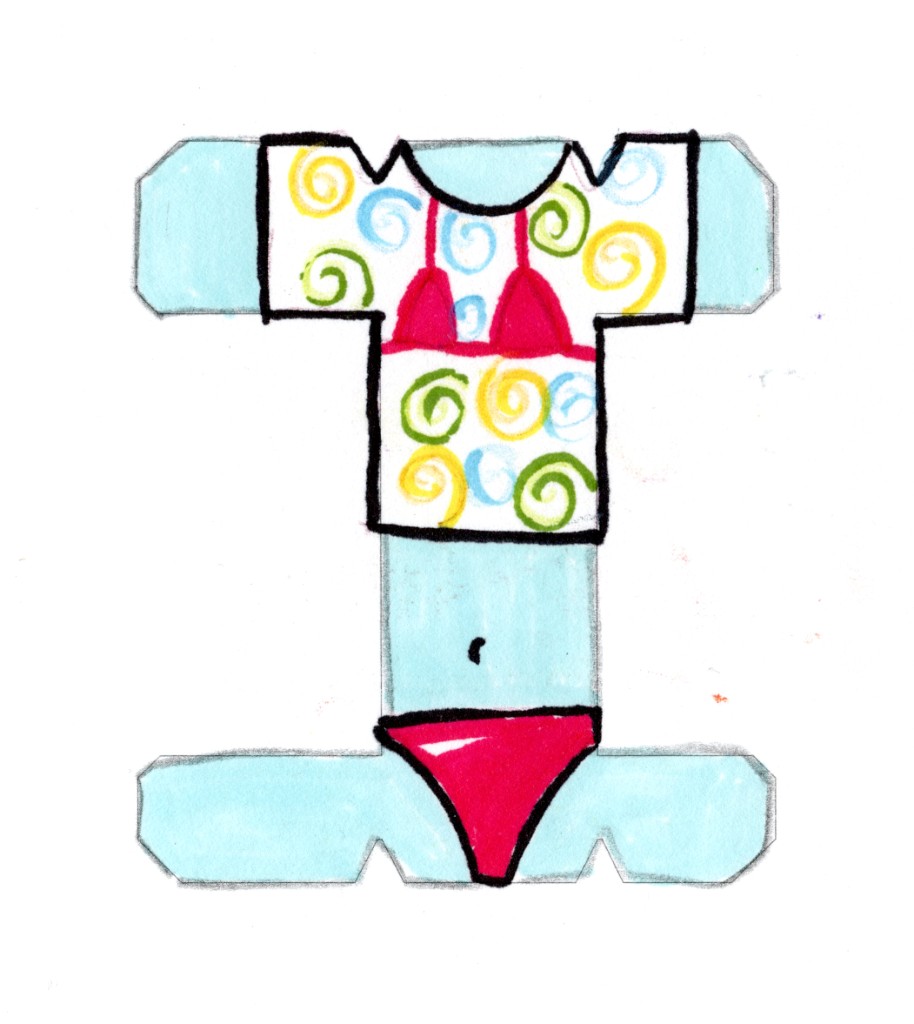
I realised I don’t really make many things for myself, but when I was younger, I used to make cards and gifts quite a lot. Maybe it was because I had more time and less money to spend. In recent years, most of the gifts I give are bought instead. Sometimes I do wish I made more things myself, but I don’t necessarily beat myself up over it.
When I buy something, I try to make sure it aligns with me as a person, whether it’s thrifted, from a brand I like, or from a small business. But I think the most important thing is knowing that purchases will stay with me. I try to follow the same principles when buying gifts too.
I love thrifting so much because I feel like these objects and clothes have history and stories behind them, and even the experience of finding something in a thrift store becomes part of that story. Because of that, many of my thrifted items have stayed with me, especially all my jewellery.
What beautiful use could a waste stream your city makes in bulk find in craft — what waste do you see weekly?
Ruth · NUS ID Student · @ruth.yjj_
One waste stream I see weekly is packaging waste from online deliveries, such as cardboard boxes, bubble wrap, plastic mailers, and other protective materials.
With the increasing use of online shopping, these materials, or what we consider waste, are often discarded after they’ve done their job of delivering one place to another. What concerns me is that poly mailers are also not recyclable, and they are a difficult material to reuse. I think there is an opportunity for designers to redesign polymailers or transform and extend the lifespan of this waste.
How might we use and give these disposable materials a second life, turning them from something that is usually thrown away after use into something that people want to keep?
Through craft, we could explore ways to transform these materials into beautiful and functional objects, while encouraging others to recognise the potential of waste and rethink their own habits of consumption and reuse.
What does “hand feel” mean to you after AI images flood your feed?
Angel Liu · Student · @aegxliu
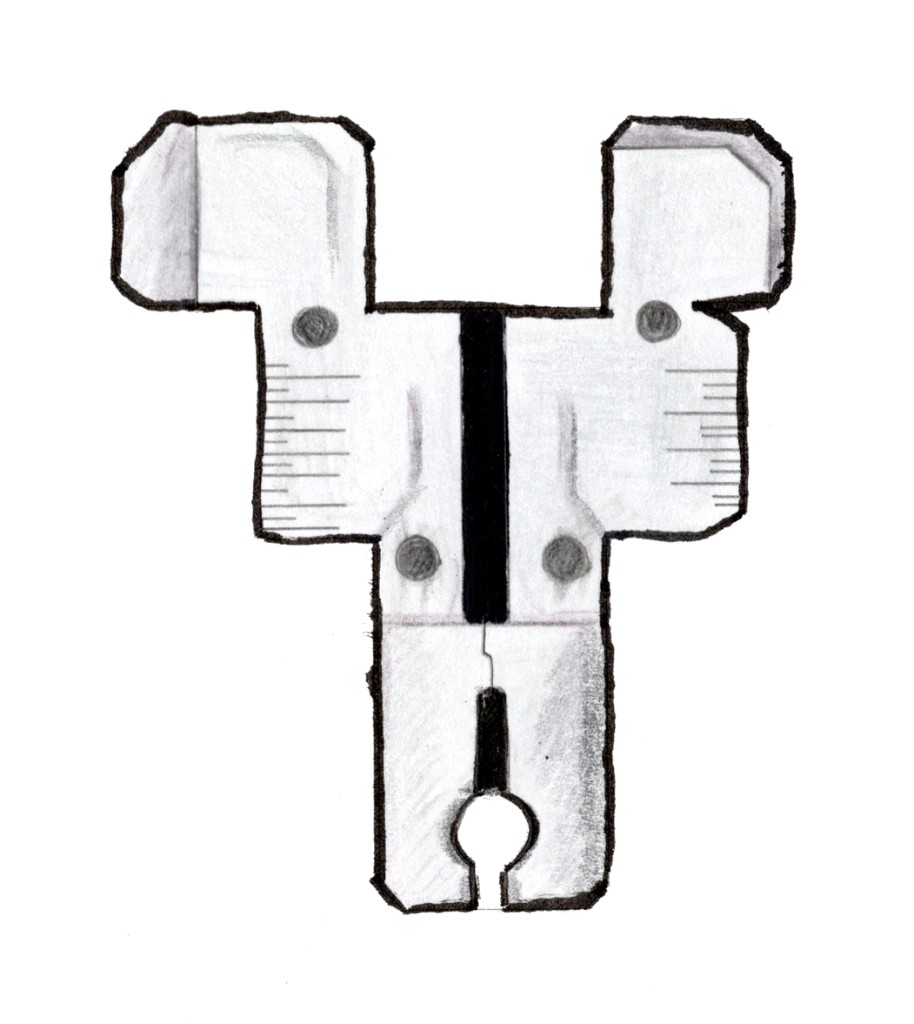
Presence, tactility, and the possible imperfections — ephemera that you can feel the weight of, and the beauty of materialism. AI homogenisation threatens our perception and reality of the art we consume. By creating with ‘hand feel’ in mind, we offer defiance to generic, predictable creative outputs, we prove the intentionality and thought behind our ideas and visions, and allow ourselves to be erroneous in the process of creation. Projects no longer need to be perfect, in fact, the more organic it seems, the more it intrigues in this AI age. Illustrations are intentionally simple, sloppy, and unique, handmade crafts reveal stitches inside out, and showcase hardware with pride. ‘Hand feel’ is what drives contemporary creativity, as we grow to seek authenticity, care and connection — it is evidence of love and history.
How do computer tools (CAD, laser, 3D print) sit beside hand tools in your practice without wiping out hand culture?
Kim · Creative Technologist · @km.wrks
I feel that computer tools allow me to be more productive and it overall enhances my workflow in my practice. Using these tools allow me to produce my crafts quicker and more accurately. I feel that although these tools may produce works faster than actual crafts, working with my hands still applies because these tools only tend to produce components - one would still need to use hand tools either to refine the piece by smoothening its edges or surfaces, and even in assembly. I guess I would also say even with implementing these computer tools requires one to prototype and work with their hands with simple crafts before they can even move on to comouter tools.
Is it okay to hoard tools “for someday”? Where do you sit with that habit?
Briana · Graphic Designer
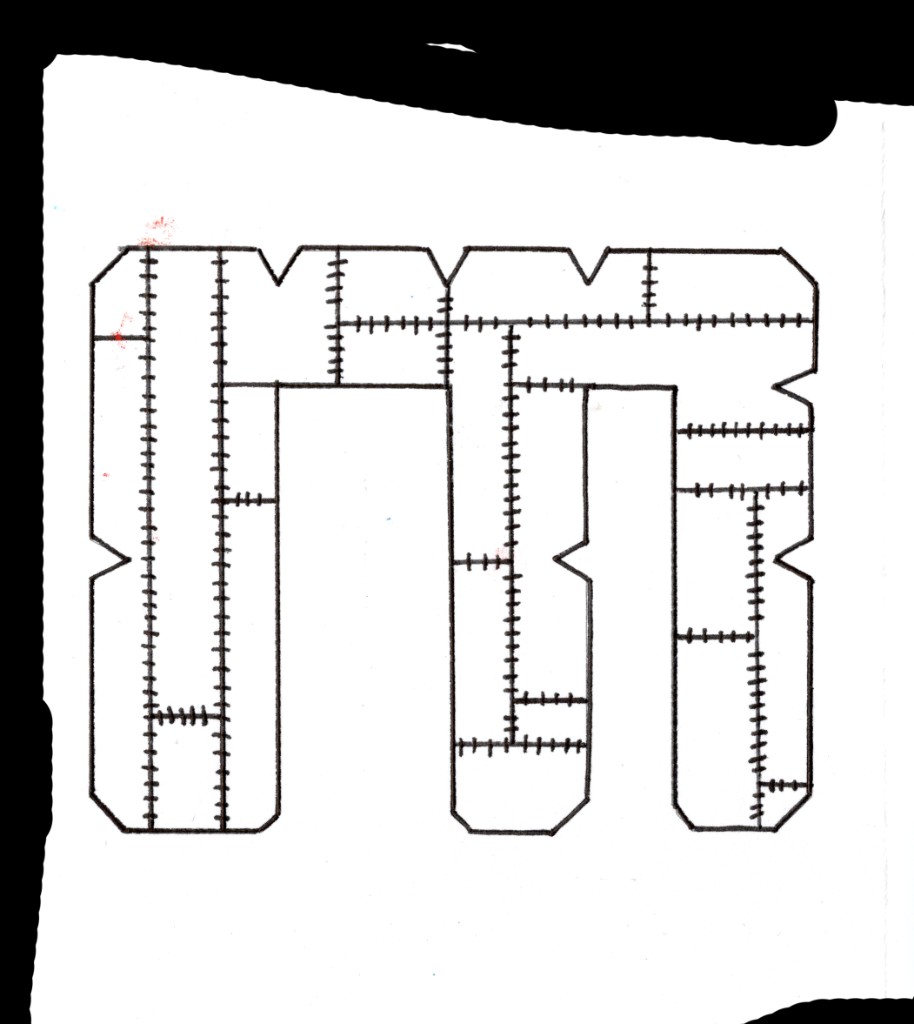
Personally, I think it’s okay to hoard tools for someday. Part of the joy and excitement of creating comes from discovering new tools or finding new ways to use the ones I already have. When I come across a tool and see some potential in it, I like adding it to my toolkit. I might not have an immediate use for it, but sometimes, when the right moment comes, I’ll realise I already have the exact tool I need. It opens up possibilities that I might not have thought of otherwise.
To me, tools aren’t just things that help with the creative process. They can also inspire you to make and encourage you to look for what else is out there. I especially enjoy discovering niche tools that were made for a very specific purpose. There is something exciting about knowing that someone saw a reason for that tool to exist, even if I don’t know what I’ll use it for yet. I think there’s a kind of curiosity in keeping these things around—not knowing exactly where they might lead, but excited by the possibility that they could.
Which senses matter most in your craft besides sight — and when did you notice that?
Isaac · @tzhiart
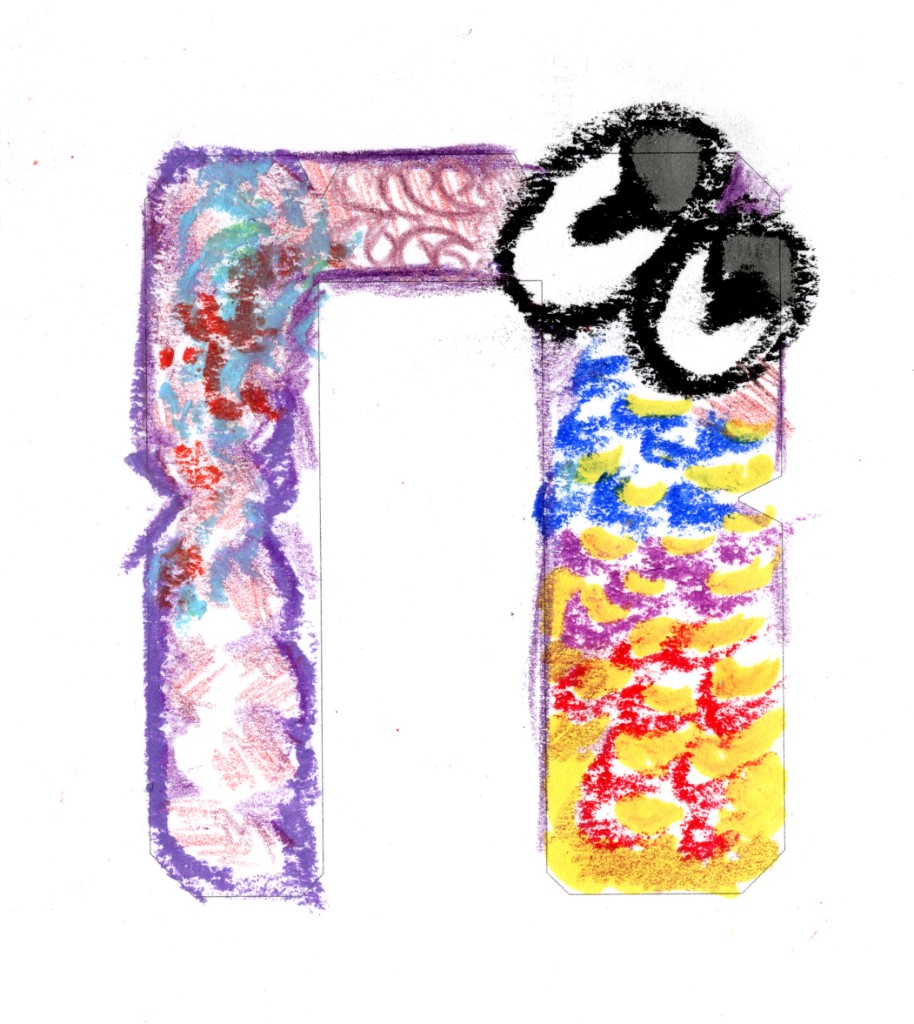
Intuition, it’s the sense and skill that it’s highly unique as you can’t teach but we unconsciously learn and get better in. To put it it’s a skill that all of us slowly get over time when we are obsessed over something. In design intuition help guide our decisions after meeting crisis of incomplete data and also recognise trends of human behaviour of set data. Over the course of my projects especially, it helped me translate many conceptual works into visual creative expressions.
Have you ever treated digital work or code as craft? What made you say yes — or still say “maybe”?
Danikh Nizam · Undergraduate · @danikh.design
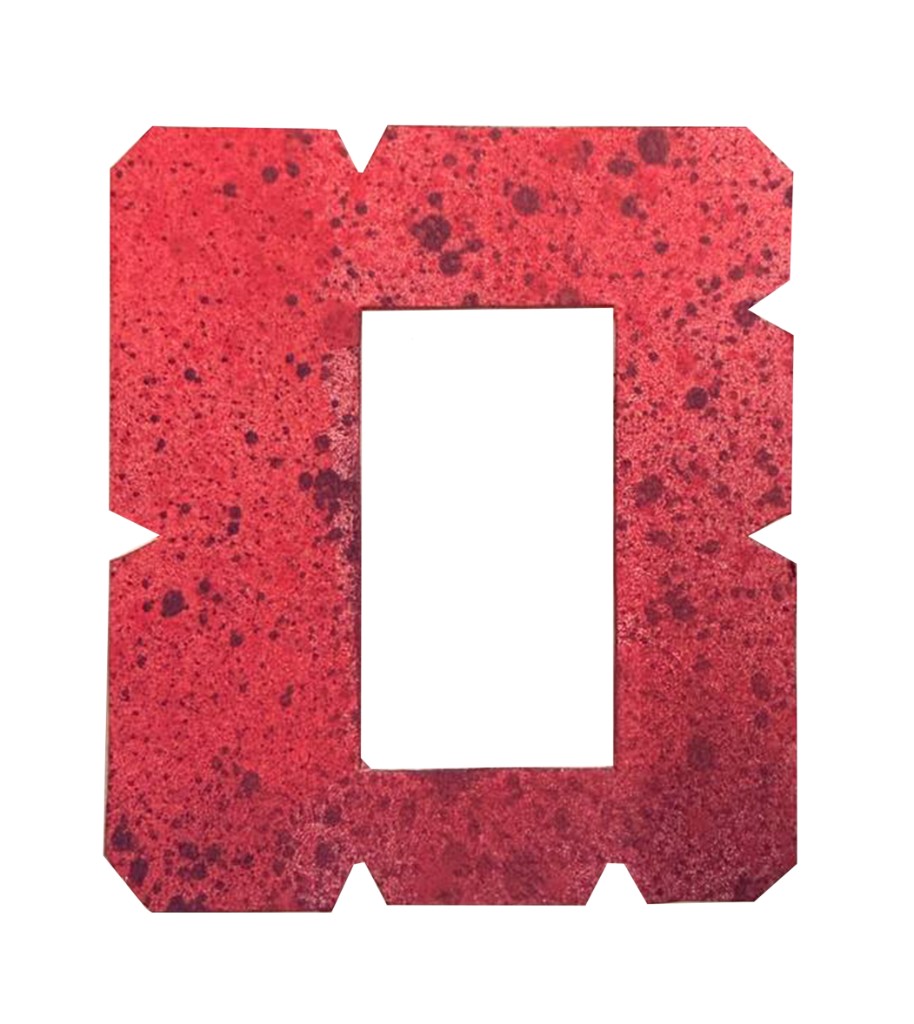
I find it interesting how data, usually associated with information and computation, can also become a creative material. Through design, we can manipulate, reinterpret and give it new forms and meanings. Digital craft is also more accessible today. With open-source projects and Gen AI tools for vibe coding, we can learn from and build upon others’ work.
For me, it’s about understanding design fundamentals and having enough coding knowledge to recognise what’s possible, then using these tools to realise what I envision.
I’m exploring this through an upcoming collaboration with Clement Zheng and Interactive Materials Lab for the New Everyday Life, By Design exhibition. Our contribution is at Sengkang MRT station, with qrcoded.life as its digital twin. One artefact explores handwritten QR codes. Manually writing every letter into each pixel or box would be tedious, so I designed a system to generate QR codes, duplicate letters using shortcuts, and work on a touchscreen like an iPad. This extends DECODE, a project I developed with Ler Shan for Clement’s Coded Life platform at NUS.
What excites me is bringing digital and physical making closer together. We could create physical objects and use code to customise, control or give them new capabilities. Perhaps DIY isn’t just about making things by hand, but also knowing how to make technology work for us.
What do you want people in 2126 to still know how to do with their hands — and what are you doing to keep that possible?
Shahma · Research Assistant · @shahmaxart
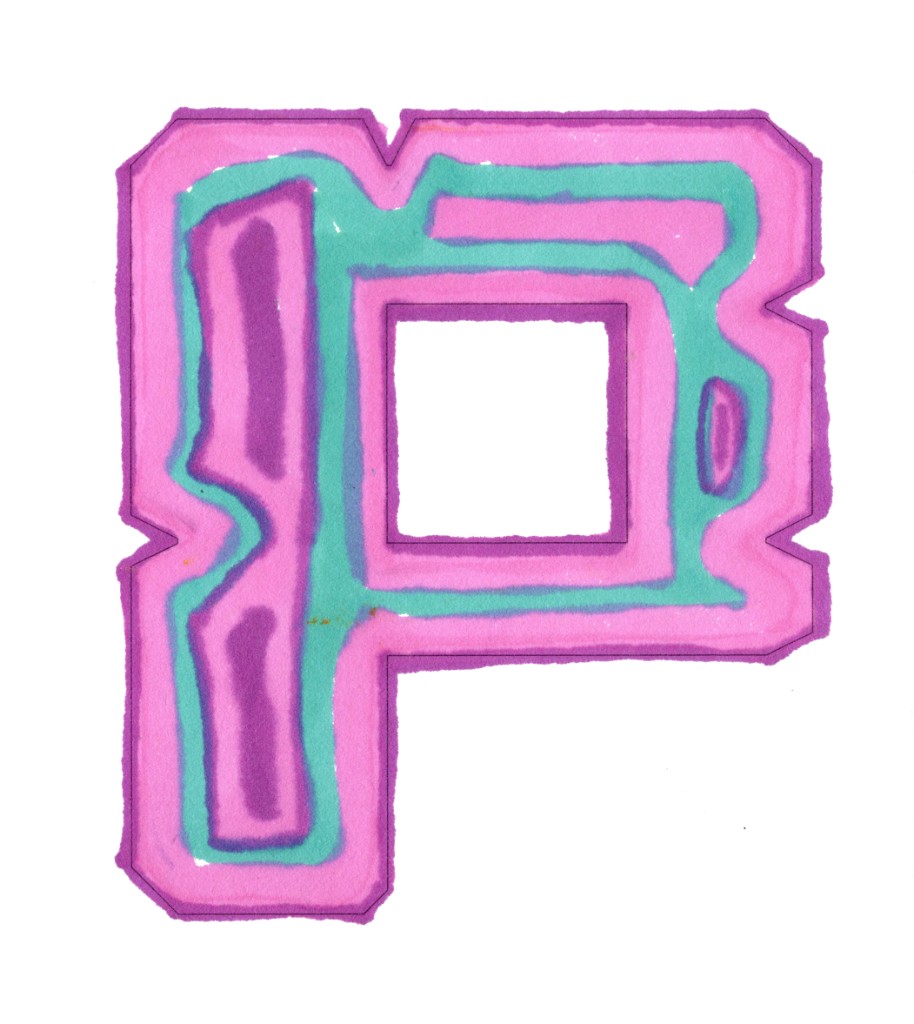
Practise the pencil. In 2126, I want people to still know how to draw a letter by hand: slowly, badly, then better. To sharpen a point, rule a line, feel where a stroke wants to thicken. To cut paper with intent, fold it, bind it with thread. To mix a colour instead of picking a hex code. To fix the thing before replacing it.
Not as nostalgia. As power. A hand that can make a mark can make a sign, a poster, a protest, a page, without permission from a platform or a printer.
So here is what I do now: I draw in front of people. I leave the wobbles in. I show the sketch before the screen. I make letters out of tape, card, scraps, whatever is near. I treat a prototype as a promise, not a failure. I hand over the pen and wait. Every letter in this alphabet was drawn by a person. Keep it that way. Pick up the pen. Pass it on.
What does “selling out” mean in craft for you — and is the phrase still useful?
Isaiah Chua · @maplesuniverse
To sell out would be to put monetary gain as a priority over artistic expression in one’s craft. That is not to neglect the importance of valuing one’s craft as it is still important to be funded and fairly paid for one’s work, but it is about the importance of one’s expression and individualism in the craft. To me, what makes one’s practice unique is the evidence of “self” in their practice. As an example in my practice, photography, one can choose a particular style, subject, or various mediums photography has to offer and make that their own. That is their “self” - something no one else can replicate completely. To completely sell out is to deny that “self”.
We can also acknowledge that artists who have sold out aren’t necessarily villains, but because they have “earned” it. For the likes of Rei Kawakubo in Comme Des Garcons, over many years of runway shows and established reputation in her field, it’s safe to say that one will never consider her someone who has “sold out”. But for artists who attempt to gain monetarily before expressing themselves, the same cannot be said for them.
The phrase should be even more useful today, as greed has become more prevalent in the art world. Art, craft, and design have all been conflated and they are frequently associated with money. It is more important to distinguish which artists “sell out” or try to as we head towards a more capitalistic society because an artist’s craft can easily become hypocritical. They can critique society while being the elephant in the room.
Never sell out if you call yourself an artist. It’s not about the act of “selling out”, it’s about the perspective, it’s about how you view your craft and how you view the world.
What skill should every person learn once — not to go pro, but to stay free — and why that one from your life?
Wong Kai Wen · Designer
In the past, I never really understood how useful and empowering sewing is until I had to learn to fix something myself. There was once where a button on a pair of thrifted pants I have fell off due to wear and tear. Knowing how wasteful it is to render the pants unwearable and spending money on a new pair, I decided to try to sew the button back on. Turns out, it was actually quite easy with the help of tutorials and it gave my pants a second chance at life.
I believe that we don’t need to be at the level of being able to sew our own clothes, but learning how to make repairs such as sewing a button back on or mending a tear in a shirt can go a long way in extending the life of our apparel instead of throwing them away immediately. From a designer’s perspective, sewing is also present in a way in bookbinding, giving us the ability to experiment with creating unique zines and books of our own. Hence, this is why I believe sewing is an important life skill everyone should learn.
In your own life, where does craft stop and D.I.Y. start — or are they really the same thing?
Ryka Nouvin · Student / Designer · @by_vinou
I have always felt that craft is something really personal to me. I’ve never liked putting a monetary value on the things I create, rather I would usually make things for myself as gifts, or for close friends who specifically ask me for something.
There’s sincerity and earnestness in craft that I hold quite close to heart: the idea that I’m making something simply because I want to, or because I care enough about someone to spend hours making something specifically for them.
I have a lot of respect for people who have the courage to put their work out there and sell it, but I’ve come to realise that I don’t really want that for myself. The moment craft and hobbies turn into something transactional, I start thinking about the cost of materials, how many hours something takes, how much I should charge, and whether I would ever realistically break even. Now, the time that I was happy to give freely starts to feel like labour that needs to be accounted for. I don’t think selling makes craft any less sincere but for me, thinking about all these things makes the act of making much less enjoyable.
Perhaps what gets lost when craft becomes a transaction is the freedom to make without having to justify what that time and effort is worth.
How has a group you’ve known celebrated finished work without turning every make into content — or failed at that?
Thierry Ting · PrintCentre Co-Founder · @thi333rry
Having started a company/collective [PRINTCENTRE] with my friends, its been a pretty exciting experience in general being able to take on our own projects and watch them go from start to finish, but this also means the act of celebrating these accomplishments at the end of every project also fell on us.
This question really is quite funny and close to my heart because as our own spearheads in not only executing and wrapping up our projects in PRINTCENTRE, the content creation side is too and we are constantly thinking about how to turn every idea and process into usable content but we always and hilariously seem to be so hyperfocused on actually doing the work we simply forget to even create that content throughout the process, not even mentioning the fact that at the end of it all we repeatedly ask ourselves why didn’t we film anything? And then proceed to forget to even celebrate that accomplishments while moving on to the next project almost immediately.
I feel like this question would not only resonate with me and my friends but also for many other creatives out there. I think as creatives we tend to focus alot on executing work to the highest degree possible and it does lead to a lot of burnout and sometimes even resentment for the work in front of us, and sometimes it really feels like a race to the finish line, always looking at that light at the end of the tunnel telling ourselves that it will be all worth it once we see that final product . By the time we do get to that point, and I’m speaking on a personal level, as much as we feel proud that we have created something, i think the relief that its actually over tends to overpower that pride and it becomes a weird middle area of wanting to just move on and forget about it sometimes while feeling somewhat happy about it, and celebrating that accomplishment that we just created something with our own hands becomes not as important as it should be.
For PRINTCENTRE, i think this question feels like an amalgamation of two of our ongoing issues within our company, first of its being able to celebrate our accomplishments at all, looking at them as moments and achievements to be actually proud of, and the idea of creating content, something we definitely do struggle with and especially of celebrating our finished works within our company. Talking in a straightforward sense, i would say we have failed at being able to being able to celebrate an accomplishment without turning every mark into content, because we haven’t even had the chance to celebrate the finished work. But i think its something that we have been actively trying to navigate around and fix.
Sometimes its just hard to tell yourself you deserve to be proud of what you have done, and that there is no shame in capitalising on that, but as creatives having already created something is the accomplishment, especially in this age, just be proud of having even started it.
How should leftovers, scraps, and “ugly” stock be treated — how do you actually treat them?
Bing Heng · Student · @bing.ing.art
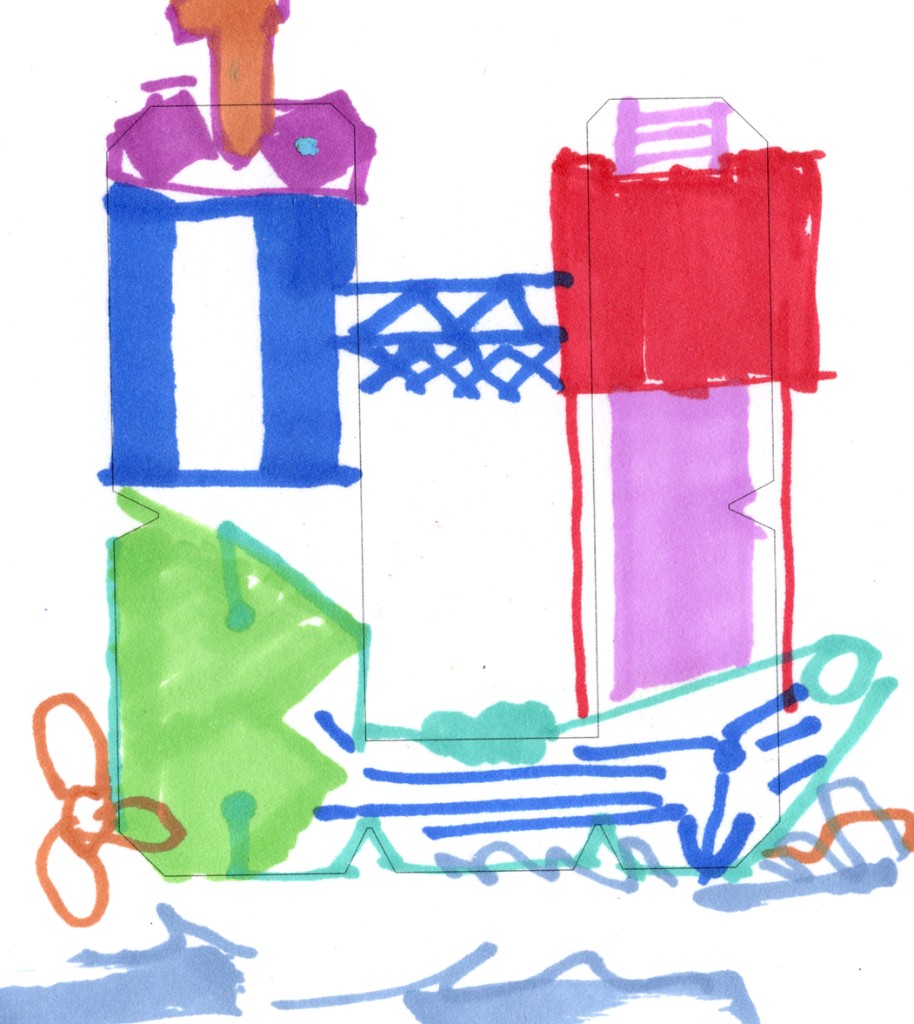
Leftovers, scraps, ugly stock and what I am personally dealing with, offcuts should be treated with potential and also just as rare of a resource as its original new counterpart.
This personally stems out of guilt with how much leftovers are created during the physical projects that I’ve made or products I’ve consumed that could be something or still have value. But eventually throughout my practice, this guilt evolved into a view that can enhance my practice. This came with several thoughts of how it can create more creative solutions around more limitations which we as designers / artists have already been doing.
My current VC3 project deals with how to have more students in ADM sort their own offcuts via play which contributes to a conceptual workshop that collects and provides both these offcuts and equipment to transform them into new materials. (I.E. 3d printer poop to new filament, acrylic shards to new sheets of acrylic through a vulcan press, too small paper cuts to new paper pulp, etc.). The project’s main goal was to reduce off-cuts wastage from being hoarded or ending in the bin. This was partially connected to helping to connect students to existing materials from students or materials they did not know about as knowing which friend or student has the materials can be limiting.
My survey in this project found out that majority of student participants are inherently motivated to sort their offcuts themselves if the central workshop exists, resources are available and other people are doing it. Having these findings, the main conclusion was to create a playful interaction to dispose / sort their offcuts with workshop dedicated materials bins that are easy to transport. Alongside giving away free merch made out of recycled new materials mentioned above to create visual cues that the system is working. Also posters that promote the existence of the equipment, workshop and weekly workshops to further add on to the environment proving the system works. Influencing the environment overall was aimed to help create a self-sustaining loop to help reward their inherent motivation.
I personally have been saving up lots of scraps and even leftover materials from consumables such as milk cartons, bottle caps, etc. to attempt to start projects in upcycling these materials.
My most frequent example that I’ve mainly worked on is collecting packaging material such as my model kit boxes, coffee cardboard boxes, apple watch cardboard and more and turn them into book covers through coptic binding. This was with the mindset of how the packaging looks really good but lacks a real purpose during collection. By turning it into a cover, it is at least inserted into what is hopefully a daily interaction with this notebook that helps to enhance the experience of taking it out and using it just a little different.
Future projects I am planning are trying out the paper pulp making to create new paper, melting bottle caps with a panini press and creating wallets out of milk cartons to start practicing with my sewing machine.
As I am typing this, I realised maybe it wasn’t just guilt but also creating new outlets, activities or hobbies to do, especially with news around the world, everything becoming more expensive and just an attempt in creating more analog hobbies after doing digital for so long.
Is laziness ever a craft virtue in your experience — when has not-making been wise?
Jabez Lim · Artist · @by.jabez
Yes. Creative work is expected to run on continuous effort, but in practice it moves in short bursts of energy followed by exhaustion, guilt, and burnout. I have felt this directly in time-bound, physically demanding installation work under tight production windows. That experience challenges the idea of the artist as someone who works independent of the body’s limits.
Jonathan Crary’s 24/7: Late Capitalism and the Ends of Sleep argues that rest is not lost time but a form of resistance to constant productivity, and I share that view. Tehching Hsieh’s One Year Performance 1980-1981 (Time Clock Piece), in which he punched a clock every hour for a year, shows what forced alertness does to a body over time. Yet his endurance can also feed the myth of the body as material to be spent, so I read it as a warning rather than a model.
Mierle Laderman Ukeles offers the firmer ground. She treated maintenance and repetition as art in their own right, not just the labor behind a finished piece. I take the same view of the strain and rest that go into making: they are part of the work, not a cost paid for it, even though they are usually left out of what gets exhibited. Not-making can be a craft decision, made by paying close attention to what the body signals, and responding directly to it.
How should unfinished work of the dead be handled — have you inherited unfinished work?
Yi Jin · Student · @koyijin_
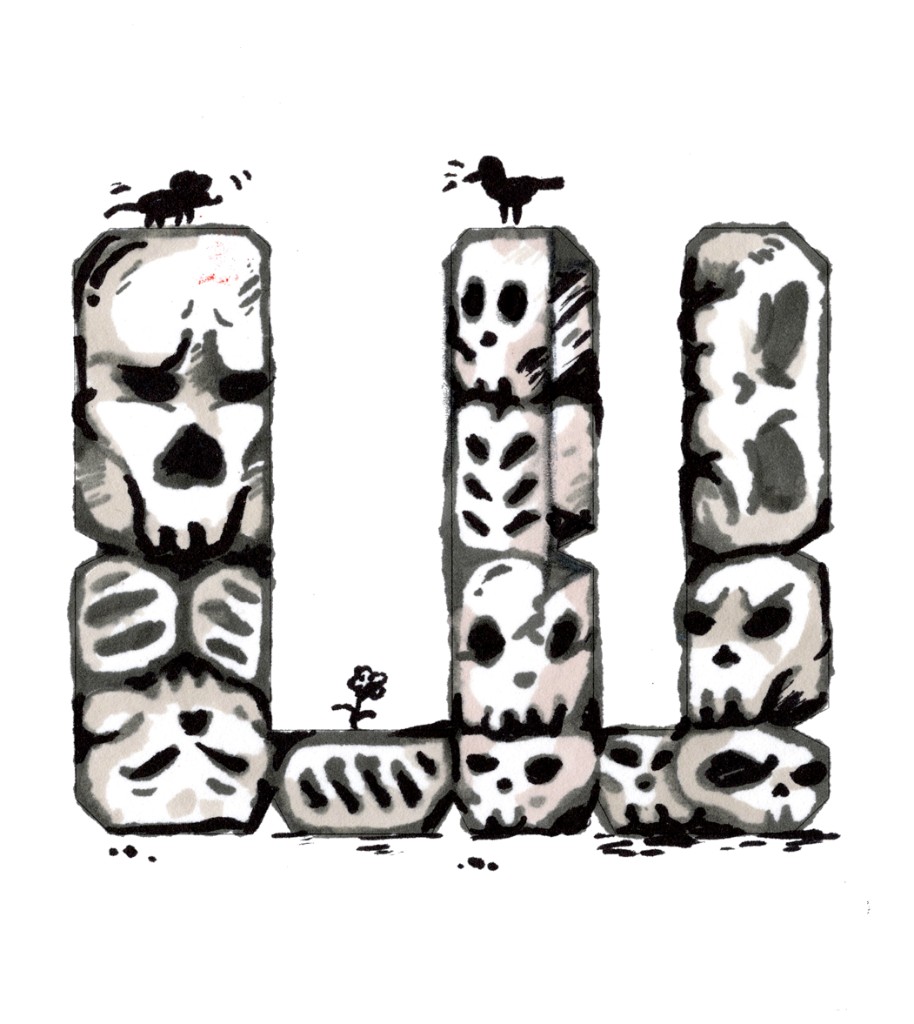
People often treat our unfinished works as if they are dead. Something that can only be dealt with by perfecting them, reimagining them or even sadder, throwing them away. Forgive me but I think that’s fucking crap. Maybe I’m a bit of a hypocrite as I want my own work to be as perfect as it can be.
However, beauty in art and design has never been solely about the finished product nor should it be measured by it’s perfection. Sometimes, what gives a work meaning is the intention behind it, the process of crafting it and maybe even the moment when that process suddenly stops. An unfinished work does not need to be resurrected.
Bare, yet vulnerable. Empty, yet tangible. Imperfect, yet impossible to ignore.
Maybe these “dead” works should be allowed to celebrate the end of the road. Their incompleteness is what makes them complete. The unfinished marks, abandoned ideas and empty spaces become living evidence of a person’s thoughts, hesitations, craft and time.
The work may be dead but it’s process remains alive.
What does remembering craft without costume nostalgia look like — what memorial have you wanted?
Hoe Jian Wei · @w4youthere
Remembering craft through a nostalgic lens is a chore to the mind. By empathising with the loss of the craft, one misses the essence of a craft by associating the memories and imageries of it rather than simply recognising it as a way of doing things. That is to say, it is important to preserve craft as a form of knowledge and ancestral wisdom. It is not to be taken for what it is, but rather adapting the craft to the zeitgeist. By looking at the memory of craft in an objective lens, we can use memory as a way of progressing towards the future.
What goodbye for a worn-out tool would feel true to you — how have you said goodbye to a tool?
Saktiswaran · @saktisdarkcoco
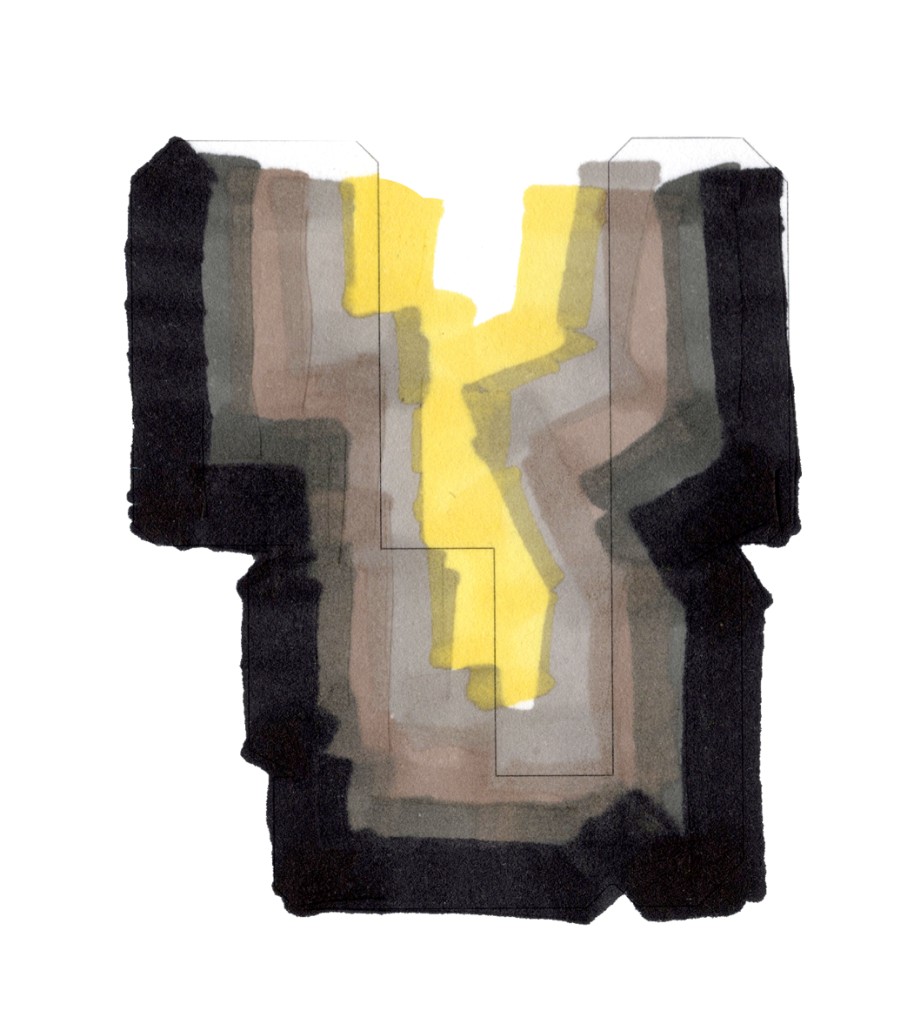
I feel that a good farewell to a tool shouldn’t feel dramatic and grand but feels rather quiet and slighting stubborn. Holding on to the hope of using it again but knowing the fact that it will never happen. When I first started out as a grip in the film industry, my Leatherman was one of the most expensive tools I had ever bought. For someone just starting out and trying to scrape together a decent toolkit, spending that kind of money on a single multitool felt like a serious gamble. Over the next ten years, the piece of heavy steel slowly transformed from an object into pure muscle memory and an extension of my own hands, similar to how a knife would be to a chef.
On a film set, you are constantly fighting the clock and the Leatherman became a solution to many problems on set, like slicing through many rolls of diffusion papers and gels. The plier and drivers helped to configure hundreds of camera setups, tightening hardware to make sure it is safe and tearing down malfunction lights down to the bones only to rebuild them up into working order. It was even used on a Hollywood production. The tool was always with me on every set, whether it’s big or small. It’s always there. It witnessed my entire journey from an anxious newcomer to someone trusted on set. I honestly believed it was going to stay with me forever.
Then, last year, came the mistake. In the rush of a high-pressure setup, it was used the wrong way, leveraged with too much brute force on something it was never designed to endure. There was a snap of metal giving out. The silence right after was heavy with pure guilt. I had pushed it past its limit in a split second of poor judgment. I looked into getting it repaired but fixing it would have cost almost as much as buying a brand new one. I had to make the toughest call and had to let it go. Throwing it away felt like throwing out a chapter of my own life. It wasn’t just metal. It held the memory of every chaotic film set over the years of my craft. Before I let go of it, I looked at it and actually said thank you and goodbye.
I have a new Leatherman now. It’s the same model but it just feels different. I don’t feel the scratches or bumps on it. It’s brand new and I’m not complaining but part of it felt like I threw away years of memories. This is just one of the many tools I have that is dear to my heart. I even said goodbye to my washing machine that I threw away 2 years ago. I believe that I am sentimental to these tools because they provide value and make not just me but my loved ones around me comfortable. Be kind to your tools, they will do wonders for you.
In your own life, where does craft stop and D.I.Y. start — or are they really the same thing?
Sorfina Roslan · Researcher · @meoxdy
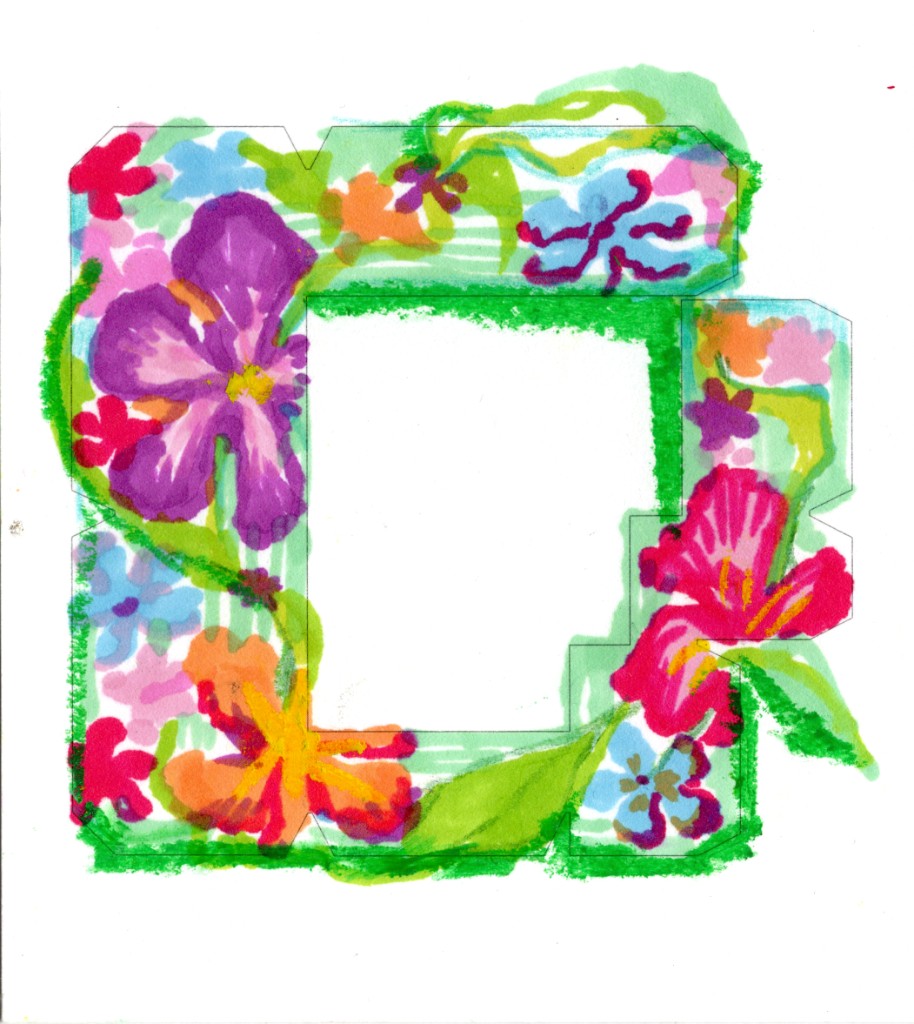
Money had always been tight, and my introduction to DIY came directly from my father. We didn’t buy furniture; we built it—shelves and desks for the room I shared with my sister, pieced together from factory-bought plywood and hardwood or scraps scavenged from near the trash. He assembled gigantic fish tanks from sheets of tempered glass and sculpted custom feature walls in our hallway out of styrofoam coated with concrete.
Naturally, I gravitated toward crafts adjacent to his world. I sewed Pinterest-inspired outfits I clearly couldn’t afford to buy, dabbled in pottery and embroidery, and eventually dove headfirst into cosplay, shaping massive amounts of foam. Creativity was the one currency our household had in abundance, fueled by readily accessible materials (and salvaged junk). The unspoken rule was simple: if you could solve a problem on your own, you did it yourself to save money, no matter how labor-intensive it proved to be.
Through years of studying and working in design, I expanded that upbringing into a robust DIY toolkit for almost any problem life threw my way—from stitching torn garments to soldering custom Arduino hardware from scratch. Yet, despite all that maker ingenuity, I eventually ran up against an unyielding boundary: my condition, PMOS (Polyendocrine Metabolic Ovary Syndrome).
During my time as an undergraduate at NUS, I found myself searching for ways to navigate PMOS beyond the standard prescription pad, looking for alternatives to managing its lived realities solely through medication. Plunging into that academic rabbit hole, I discovered a small, radical corner exploring women’s health within Human-Computer Interaction (HCI) through a DIY lens: Dr. Nadia Campo Woytuk’s research on making intimate technologies together. Her work on feminist sensing and crafting custom, embodied health tools provided a missing vocabulary for what I had always felt intuitively: that maker culture gives us the power to take our bodies back into our own hands.
This intersection of DIY and healthcare is an emerging landscape steadily gaining ground. Conditions like PMOS have historically been categorized strictly around cisgender female identities, routinely alienating and isolating gender-diverse individuals. DIY breaks this space wide open, fostering genuine inclusivity and granting people the ability to take accountable ownership of their own bodies. While medicine remains a critical first line of defense, a chronic condition’s day-to-day lived experience involves physical nuances that existing clinical treatments and simplistic menstruation-tracking apps never truly account for.
Beyond fabrication and craft, the broader democratization of technology—accelerated today in the age of Artificial Intelligence—is poised to help a massive population reclaim autonomy over their physical health. But this shift demands immense responsibility. When healthcare shifts from certified clinical institutions to GitHub repositories and living-room workbenches, the entire burden of risk collapses onto the individual. There is no clinical trial buffer, no formal recall procedure, and no regulatory body to hold accountable when a sensor misreads or an algorithm miscalculates. A glitch isn’t just an inconvenient software bug; it is a physical event enacted directly on human tissue.
Furthermore, DIY health tech risks erecting a subtle new privilege divide. When managing a chronic condition requires soldering wires, reading code, or troubleshooting microcontroller boards, true agency becomes gatekept by technical literacy and free time. If we aren’t careful, the freedom to hack one’s own body remains accessible only to those already comfortable with the tools.
This delicate tension reaches well beyond PMOS. One compelling example is the open-source DIY movement around automated insulin delivery—such as projects inspired by the logic of IINTS (Insulin Is Not The Solution) and the broader open-loop/closed-loop maker communities. These systems exist to collaboratively unpack the logic behind glucose prediction and insulin delivery, offering an accessible lifeline for those shut out by exorbitant commercial costs. Yet, because they operate outside traditional regulatory approval, they exist in a persistent legal and medical gray zone where clinicians hesitate to advise and users must bear the weight of their own life-support engineering.
At the end of the day, the future of DIY reaches far beyond creativity—it is fundamentally about agency, and the profound weight of carrying it ourselves.